Chocolate Font: Sweet, Friendly & Handwritten
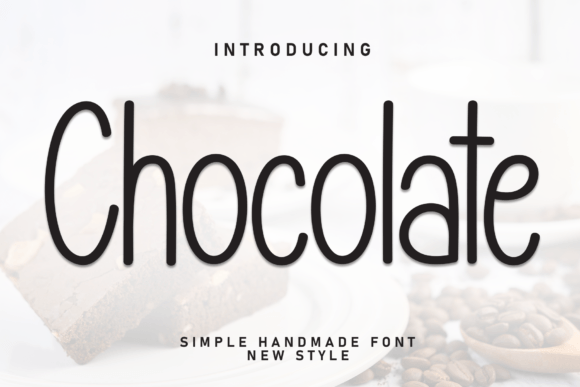
Chocolate Font is a cheerful, hand-drawn typeface that feels like a warm hug in typographic form. It’s not overly polished or rigid — instead, it’s relaxed, slightly bouncy, and full of personality. Each letter looks like it was written with a soft-tip marker or fine brush, with gentle curves, subtle inconsistencies, and a light, airy rhythm. That human touch makes it instantly inviting — perfect when you want your text to feel personal, joyful, or heartfelt.
Why Designers and DIY Creators Love This Style
People reach for Chocolate Font when they need warmth without formality. Think of it as the visual equivalent of a friendly smile or a handwritten note tucked into a gift box. It doesn’t shout — it leans in and says, “I’m here for you.” That’s why it resonates so strongly with creators who value authenticity over perfection: wedding planners crafting intimate invites, small business owners designing boutique packaging, teachers making classroom posters, or bloggers adding charm to social graphics.
Unlike many decorative fonts that sacrifice readability for flair, Chocolate Font keeps things clear at medium to large sizes. Its generous spacing and open letterforms mean it works beautifully on printed stationery, digital banners, and even SVG cut files for vinyl projects — as long as it’s used thoughtfully.
Where It Shines (and Where It Doesn’t)
This font truly excels in contexts where emotion matters more than authority. A few real-world examples:
- Wedding invitations — Pair Chocolate Font with soft pastel backgrounds or floral motifs to evoke romance and sincerity. Use it for names, dates, or short phrases like “Join us” or “Together with love.”
- Greeting cards — Whether it’s a birthday, baby shower, or thank-you note, its playful energy lifts the message without feeling childish.
- Small-batch product labels — Artisanal chocolates, handmade soaps, or local bakery boxes all benefit from its homemade, crafted vibe.
- Social media graphics — Instagram story quotes, Pinterest quote pins, or Facebook event announcements gain instant approachability with this typeface.
- Classroom resources — Teachers use it for reading corner signs, reward charts, or student name tags to create a welcoming learning environment.
That said, Chocolate Font isn’t built for every job. Avoid using it for body text, legal disclaimers, technical instructions, or anything requiring precision or neutrality. It also loses impact at very small sizes (under 16px), and pairing it with other highly decorative fonts can quickly feel overwhelming. Simplicity is its superpower — let it breathe.
How to Use It Well (Even If You’re Just Starting Out)
You don’t need design experience to get great results with Chocolate Font. Start by asking yourself: What feeling do I want this text to carry? If the answer is “sweet,” “thoughtful,” “playful,” or “intimate,” you’re likely on the right track.
Here are three beginner-friendly tips:
- Limit it to one or two lines per layout. Let Chocolate Font shine as a headline, title, or focal phrase — then pair it with a clean sans-serif (like Poppins or Lato) for supporting text. This contrast creates balance and keeps your design easy to scan.
- Pay attention to spacing. Some versions include extra ligatures or alternate characters. Try turning on OpenType features in design tools like Adobe Illustrator or Canva Pro to access swashes or contextual alternates — they add subtle polish without extra effort.
- Test print before finalizing. Screen rendering can soften edges, but printed ink may emphasize texture differently. A quick test on your home printer helps avoid surprises — especially for invitations or packaging.
Things to Keep in Mind Before You Download or License
Not all Chocolate Font files are created equal. Some versions are free for personal use only, while others require a commercial license if you’re using them for client work, branding, or products you plan to sell. Always check the license terms — especially if you run a small business or freelance service.
Also consider file format compatibility. Most designers use OTF or TTF files, which work across Mac, Windows, and web platforms. But if you're working in Cricut Design Space or Silhouette Studio, confirm whether the font supports cutting paths or requires outlining first.
And remember: fonts are tools, not magic wands. Chocolate Font won’t fix weak copy or cluttered layouts — but paired with strong writing and thoughtful design choices, it adds genuine emotional resonance. It’s the difference between saying “RSVP” and saying “We’d love to celebrate with you.”
A Friendly Note for Educators and Hobbyists
If you're a teacher, parent, or craft enthusiast, Chocolate Font opens up low-pressure ways to make everyday materials feel special. Try using it to label classroom supplies, create custom bookmarks for students, or design printable party games. Its friendly tone helps kids feel seen and included — no design degree required.
Hobbyists often find joy in combining Chocolate Font with watercolor textures, scanned paper backgrounds, or simple line art. Even basic tools like Google Slides or Word support font uploads (on desktop), so experimenting takes minutes — not hours.
Final Thought: Choose With Intention
There’s something quietly powerful about choosing a font that reflects care — not just aesthetics. Chocolate Font invites warmth, encourages connection, and reminds us that design doesn’t always have to be serious to be effective. Whether you're announcing a marriage, launching a side hustle, or simply brightening someone’s day with a handmade card, it’s a choice that says, “This moment matters.”
So go ahead — download it, test it, play with it. See how it changes the mood of your next project. And when it feels just right? That’s not coincidence. That’s intention, expressed through type.